526 SE 6th Ave, Portland OR Oregon CCB #229847 Flat-rate written quotes
(971) 386-1515
Annual Maintenance · Portland OR

Water Heater Maintenance in Portland, OR

A flush, an anode rod check, a T&P test and a burner clean. It is unglamorous work and it is the single cheapest thing you can do to stop a water heater failing early.

  • Full flush and sediment clear
  • Anode rod inspected, not just mentioned
  • Safety and combustion check included
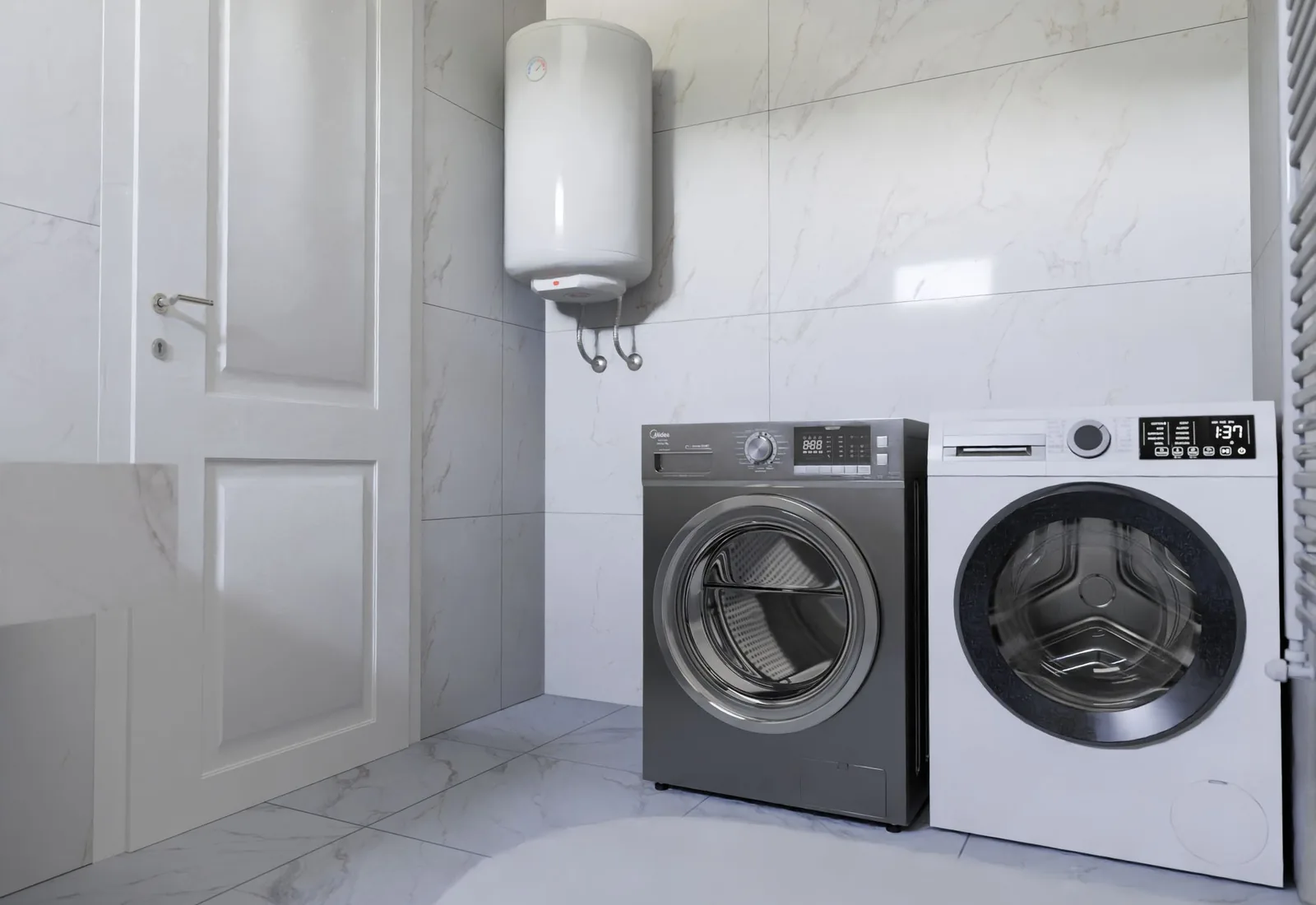
A storage water heater beside the washer and dryer in a tiled utility room
The rod is the whole pointSoft Portland water is hard on a sacrificial anode.
AnnuallyFor a tank heater
2–3 yrsFor a tankless unit
~4 yrsTypical life added by staying on top of it
IncludedT&P and combustion safety check
What we do

The annual service, item by item

Not a glance and an invoice.

1

Full flush

Drain and flush until the water runs clear, clearing the sediment bed that insulates the burner from the water and makes it work harder.

2

Anode rod

Pulled and inspected. If more than about 60% consumed it gets replaced — roughly $40 of part that protects a $1,500 tank.

3

Safety check

T&P valve tested and the discharge line checked, plus seismic strapping, the expansion tank and the pan.

4

Combustion & controls

Burner and flue on a gas unit; elements, thermostats and the high-limit on an electric one. Temperature set to a safe 120°F.

Portland specifically

Soft water is good for the tank and bad for the rod

Portland Water Bureau water comes from the Bull Run watershed and is unusually soft and low in minerals. That is genuinely good news for scale — and it is why the anode rod matters more here than the descaling everyone talks about.

Less scale than most cities

Tankless heat exchangers here foul more slowly than they would in a hard-water region, which is why we quote a two-to-three year descale rather than annual.

Faster anode consumption

Soft, low-mineral water is more aggressive toward a sacrificial anode. The rod is doing its job by corroding — but once it is gone, the tank is next.

Sediment still builds

Soft does not mean clean. There is still enough suspended material to build a bed on the tank floor that rumbles, insulates and eventually cracks glass lining.

Old houses, old installs

On a first service we frequently find missing strapping, a capped T&P line or no expansion tank — all from an install that predates the current code.

A storage water heater beside the washer and dryer in a tiled utility room
Service area

Every Portland neighborhood

Based in Buckman, close-in SE. One flat rate anywhere inside city limits, with no travel surcharge and no zip code we treat as the edge of the map.

Hawthorne Division Belmont Buckman Sellwood Woodstock Mt. Tabor Montavilla Alberta Irvington Laurelhurst Hollywood St. Johns Kenton Overlook The Pearl Nob Hill Downtown South Waterfront Multnomah Village See the full service area →
Free quote

Book a service

Tell us the symptom and the approximate age of the unit. We test it properly on site, then give you a flat-rate price in writing — with the repair and the replacement number side by side where both are realistic.

  • No diagnostic fee and no trip charge
  • A licensed technician, not a salesperson
  • Portland BDS permit included where one is required
  • Nothing owed if you decline the work

No diagnostic fee. We answer 24/7 — for no hot water today, calling is faster.

Questions

Water Heater Maintenance in Portland, OR — straight answers

How often should a water heater be serviced?

Once a year for a tank, and every two to three years for a tankless unit. Portland's soft water is kind to heat exchangers, so the descale interval here is longer than most places — but the anode rod check matters more, because soft water is harder on the rod.

What does a service actually include?

A full flush to clear sediment, an anode rod inspection, a T&P valve test, a burner and combustion check on a gas unit, element and thermostat testing on an electric one, and a look at the venting, the strapping and the expansion tank.

Does it really extend the life of the unit?

Sediment is what makes a gas burner work harder and what cracks a tank floor over time, and a depleted anode rod is what lets the liner start corroding. Staying on top of both is the practical difference between a tank that reaches twelve years and one that fails at eight.

Can I just flush it myself?

Yes, and we have written a guide on exactly how. The part most people skip is the anode rod, because it needs a breaker bar and sometimes an impact wrench to get out — and that is the part that actually decides how long the tank lives.

Book an annual service

A flush, an anode check and a full safety inspection — the cheapest thing you can do to keep a water heater out of the emergency category.

Call (971) 386-1515